call me back
Have a project in mind? Fill out the form below and we`ll get back with you as soon as we have the chance
24/08/2026
Walk into any modern office or school, and you’ll likely see glass everywhere. Open-plan layouts, meeting rooms, classrooms, and breakout areas increasingly feature glass partitions. The appeal is obvious — natural light, visual connectivity, and a contemporary aesthetic. But one question consistently arises from clients, architects, and facility managers alike:
“Can glass really provide adequate sound insulation?”
The short answer is yes — but the long answer depends entirely on the system you choose. The acoustic performance of a glass partition is determined by a combination of factors: the type of glazing (single, double, or triple), the profile system, the seals, and the installation quality. Understanding these elements is essential for making the right choice for your space.
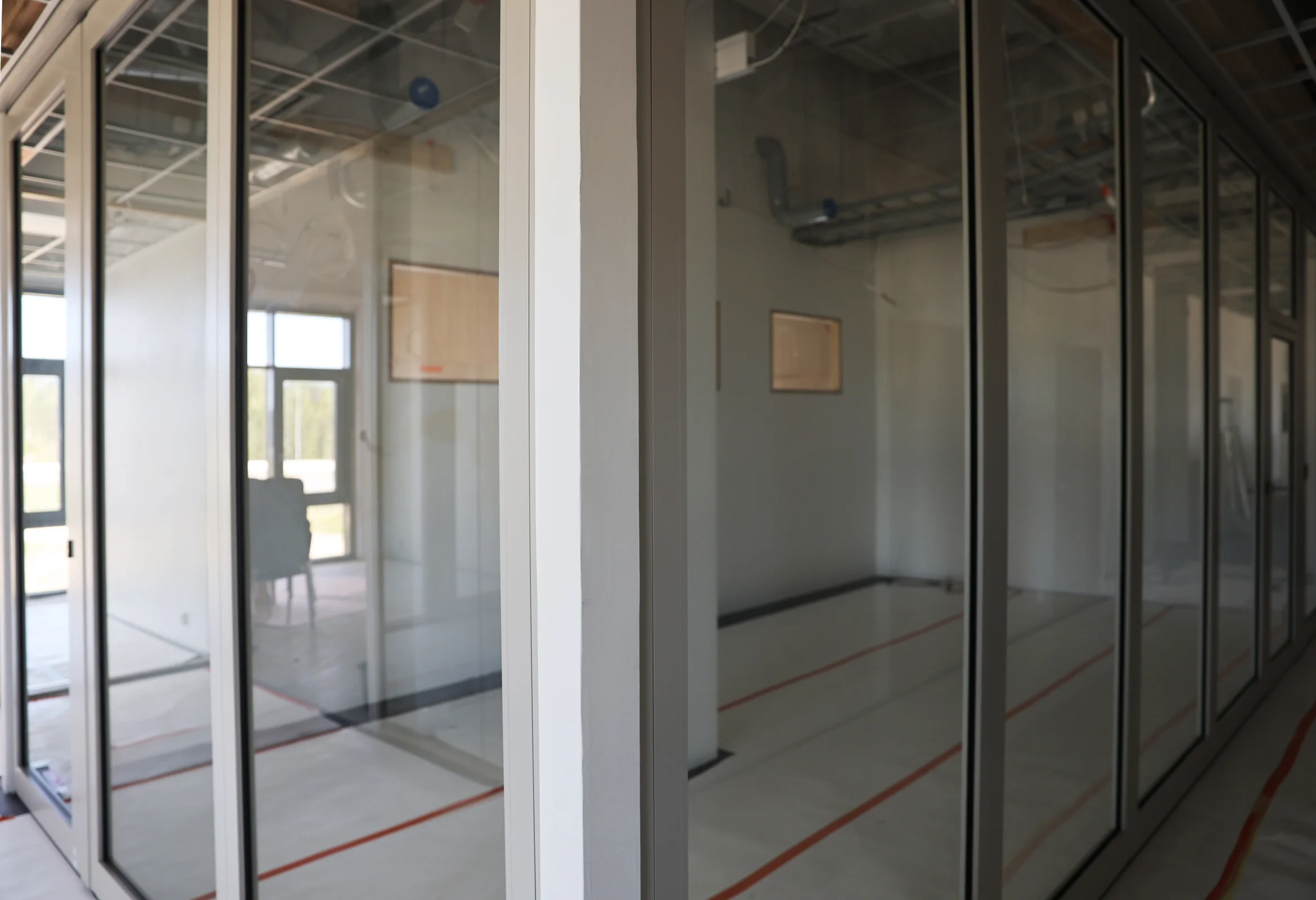
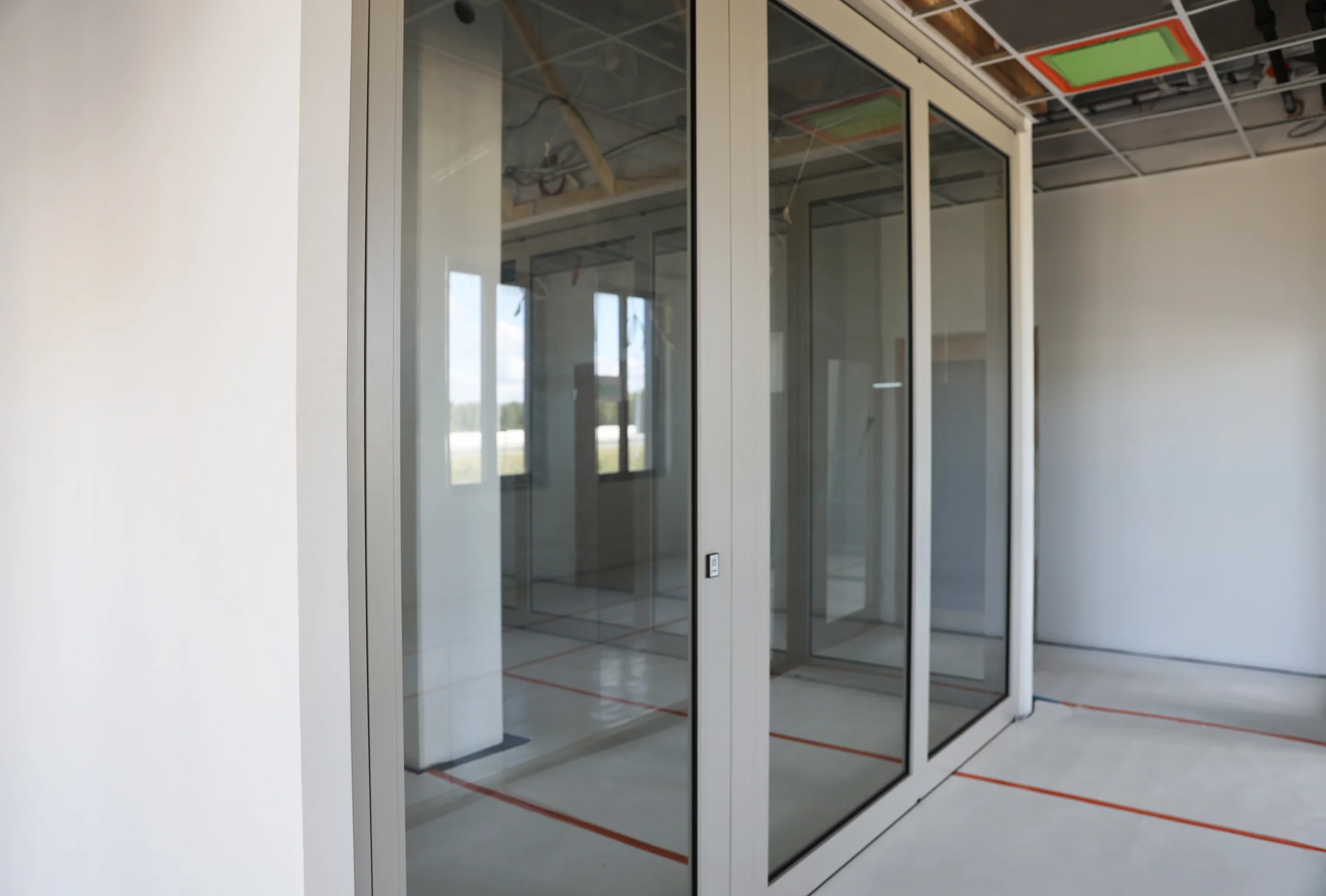
Before comparing glazing options, it’s important to understand how sound insulation is measured. The weighted sound reduction index (Rw) is the standard metric used across Europe (EN ISO 717) to quantify how effectively a building element reduces airborne sound.
Here’s what different Rw values mean in practice:
| Rw Value | What You Can (or Can’t) Hear |
| Rw 30 dB | Normal speech is faintly audible |
| Rw 35 dB | Normal speech is not audible |
| Rw 40 dB | Loud speech can be heard but not distinguished |
| Rw 45 dB | Loud speech can be heard faintly but not distinguished |
| Rw 50 dB | Loud speech can only be heard faintly with great difficulty |
A 3 dB improvement in Rw represents a noticeable difference to the human ear. For offices and educational spaces, the recommended Rw range is typically Rw 40–50 dB, depending on the level of privacy required.
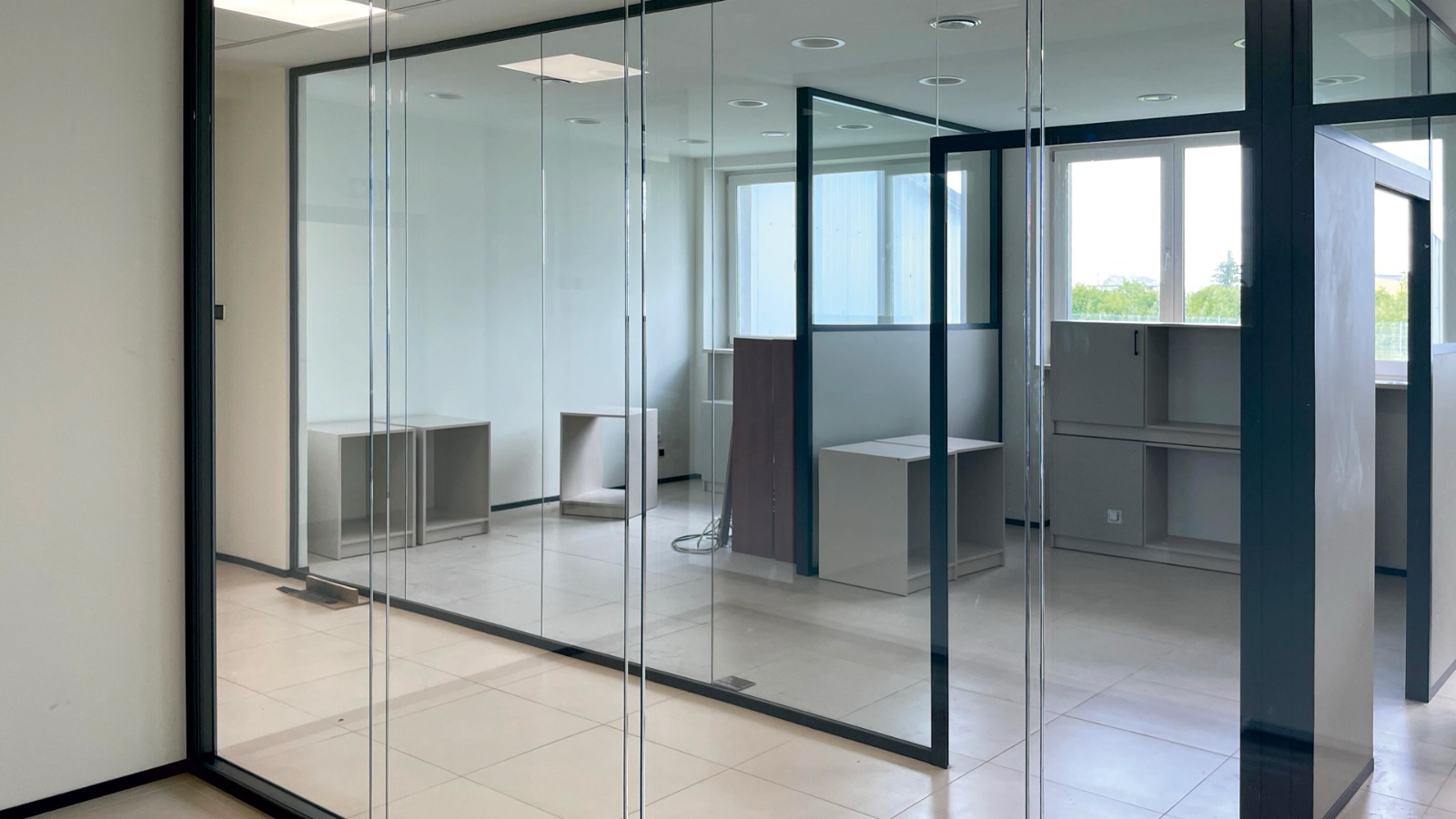
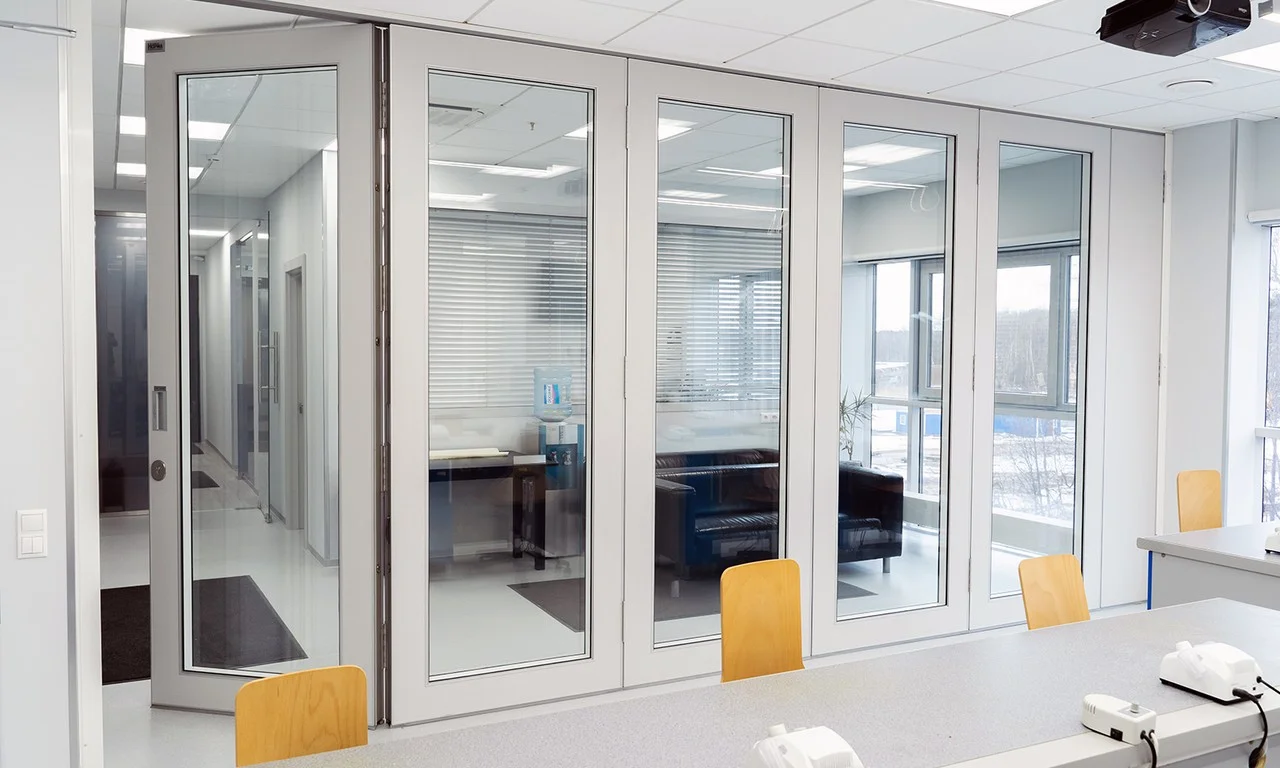
Single glazed glass partitions typically consist of a single pane of toughened or laminated glass, usually 8–12 mm thick, set within an aluminum or steel frame.
Typical Rw Range: 28–36 dB
Performance in Practice:
Best Suited For:
Limitations:
Single glazing struggles with speech privacy. While it can reduce background noise, conversations remain intelligible on the other side. For meeting rooms, executive offices, or classrooms where confidentiality or concentration is important, single glazing rarely meets the acoustic requirements.
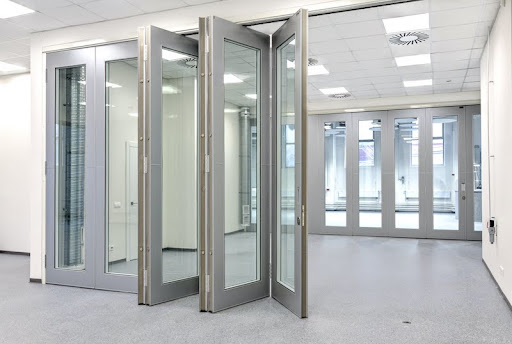
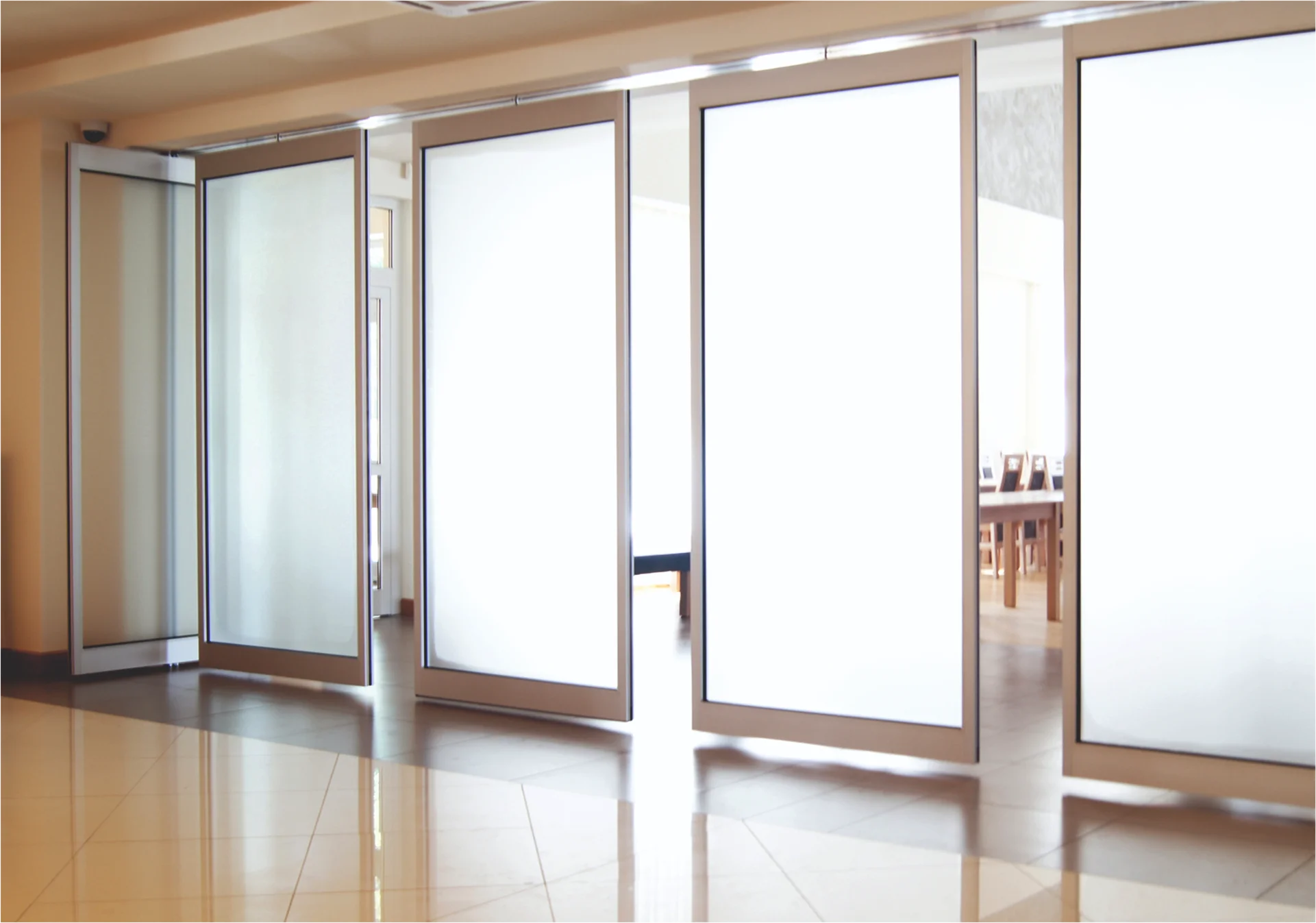
Double glazed partitions consist of two glass panes separated by an air or gas-filled cavity. The cavity creates a barrier that significantly improves sound insulation.
Typical Rw Range: 40–50 dB
Performance in Practice:
Best Suited For:
Advantages:
Double glazing strikes the optimal balance between acoustic performance and visual transparency. It is the most common choice for commercial and educational applications because it delivers reliable sound insulation without compromising the aesthetic benefits of glass.
Triple glazed partitions feature three glass panes with two cavities. This configuration provides the highest level of sound insulation available in glass partition systems.
Typical Rw Range: 55–64 dB
Performance in Practice:
Best Suited For:
Considerations:
Triple glazing offers exceptional acoustic performance but comes with increased weight, thicker profiles, and higher costs. It may not be necessary for most standard office or classroom applications where double glazing already meets the requirements.
The glass itself is only one part of the equation. Profiles and seals are equally critical to achieving the stated Rw values.
Profiles:
The frames that hold the glass must be designed to minimize sound flanking — the transmission of sound around or through the frame itself. Key features include:
Seals and Gaskets:
Seals are the unsung heroes of acoustic glass partitions. Even the best glass will underperform if the seals are inadequate.
The combination of high-quality profiles and precision-engineered seals ensures that the laboratory-tested Rw values are achieved in real-world installations.
Selecting the right glass partition system requires balancing acoustic requirements against other priorities:
| Application | Recommended Glazing | Target Rw |
| Open-plan areas | Single or double | Rw 30–38 |
| Meeting rooms | Double | Rw 40–45 |
| Executive offices | Double (high-performance) | Rw 45–50 |
| Classrooms | Double | Rw 40–45 |
| Music rooms / Studios | Triple | Rw 55+ |
| Healthcare consultation rooms | Double | Rw 45+ |
It’s worth noting that laboratory Rw values represent optimal conditions. Real-world performance depends heavily on installation quality. Critical factors include:
The best glass partition systems combine superior materials with professional installation to deliver the acoustic performance clients expect.
Glass partitions can deliver outstanding sound insulation — provided the right system is selected. Single glazing offers basic noise reduction for low-demand environments. Double glazing is the reliable industry standard for most offices and educational spaces, achieving Rw 40–50 dB. Triple glazing delivers maximum performance for the most demanding acoustic requirements.
But glass alone isn’t enough. High-quality profiles and precision-engineered seals are essential to achieving the Rw values that make glass a viable acoustic solution. When specified and installed correctly, glass partitions provide the perfect combination of transparency, natural light, and acoustic comfort — proving that you don’t have to choose between open, light-filled spaces and productive, quiet environments.
Get weekly update about our product on your email, no spam guaranteed we promise ✌️
Our company offers the opportunity to get acquainted with the drawings of our products️️
Select download format