call me back
Have a project in mind? Fill out the form below and we`ll get back with you as soon as we have the chance
22/10/2026
Museums and galleries are no longer static repositories of objects. They are dynamic cultural destinations where exhibitions rotate, collections are reinterpreted, and visitor expectations are shaped by the most immersive experiences in contemporary design. A museum that was built around fixed walls and permanent galleries quickly finds itself constrained — unable to host the touring exhibition that arrives next season, unable to create the intimate viewing room that a major donor has requested, unable to accommodate the corporate event that would fund a year of programming.
For directors, curators, and owners of cultural institutions — both public and private — the question is no longer whether the space should be flexible, but how to make it flexible without compromising the integrity of the building, the safety of the collection, or the quality of the visitor experience.
This is where movable walls and partition systems enter the conversation. Designed correctly, they give cultural institutions the ability to transform a hall in minutes — creating new exhibition zones, protecting sensitive works, and unlocking revenue streams that were previously impossible.
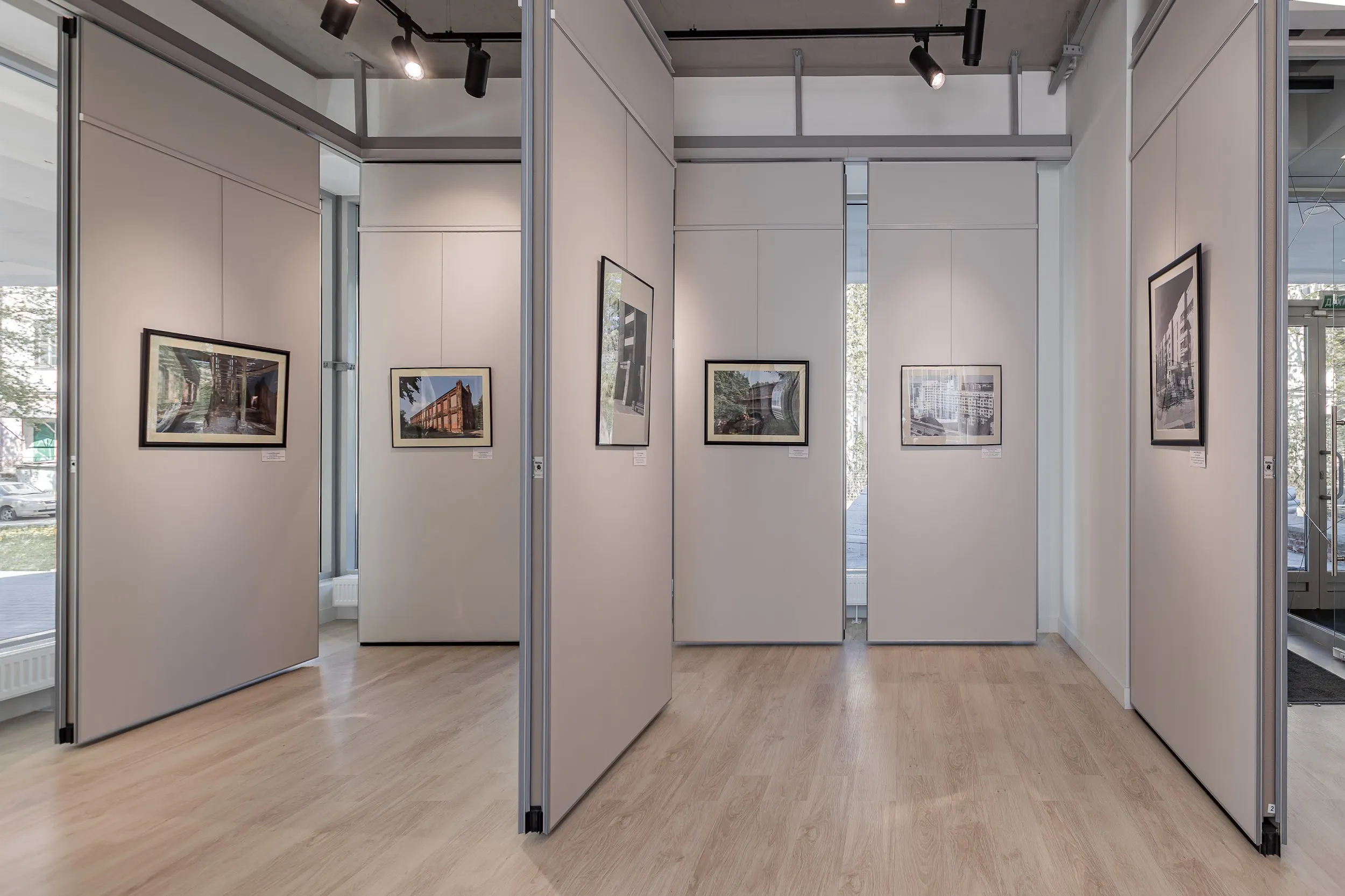
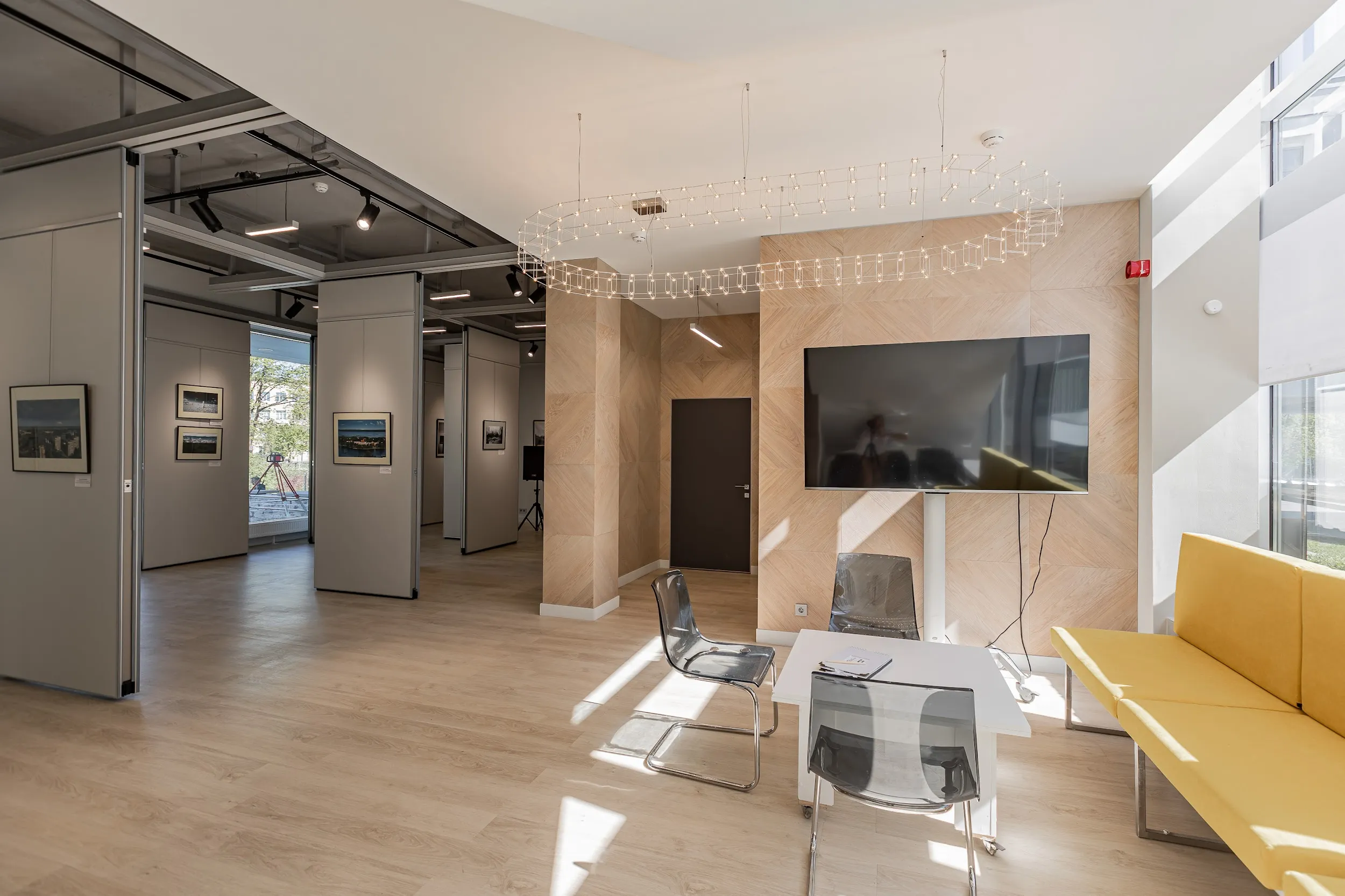
Cultural institutions face a distinct set of spatial challenges that differ from offices, schools, or hospitality venues. Movable walls address these challenges directly:
For a deeper look at how our sliding wall systems are engineered for demanding applications, explore our dedicated page: Sliding Walls.
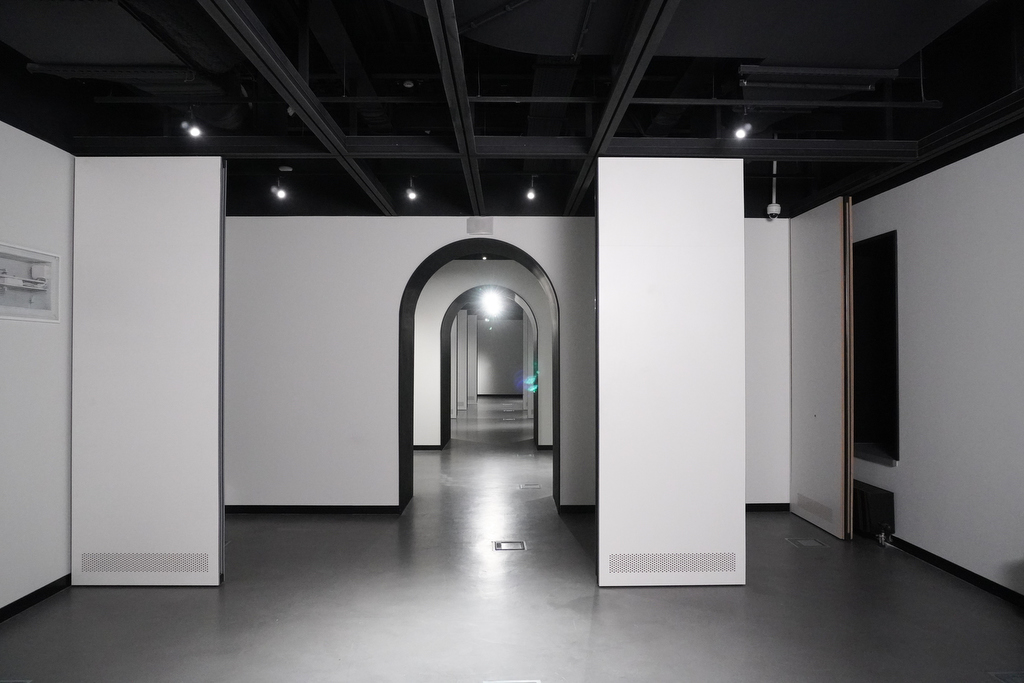
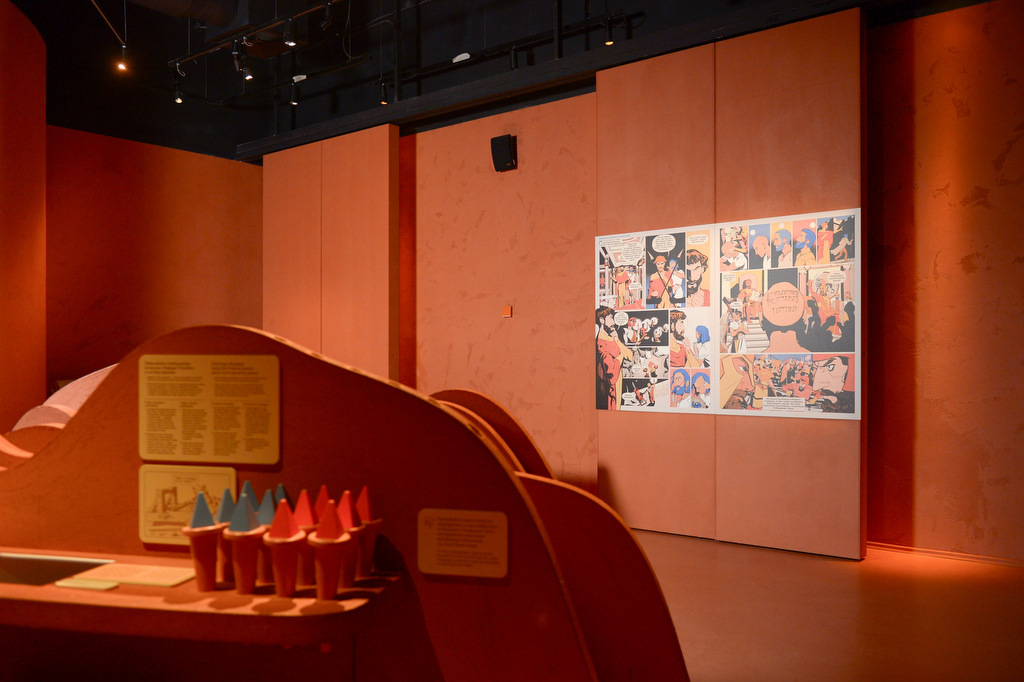
Touring exhibitions from major international institutions — from the Tate to the Centre Pompidou to the Hermitage — arrive with detailed spatial and technical requirements. Movable walls allow host museums to meet those requirements without disrupting the permanent collection. A single gallery can become three intimate rooms for a photography show, then open into one large hall for a sculpture retrospective.
Even permanent collections benefit from reconfiguration. A chronological walk-through can be transformed into a thematic journey as curatorial thinking evolves. Movable walls allow museums to reinterpret their own collections without closing galleries or commissioning new construction.
Contemporary exhibition design increasingly relies on immersive environments — projection mapping, soundscapes, and multi-sensory installations. Movable walls provide the acoustic and light control these installations require, while allowing the space to revert to a traditional gallery format afterwards.
Works on paper, textiles, and fragile artifacts are vulnerable to vibration, dust, and fluctuations in air quality. Acoustic partition systems with high Rw ratings reduce both airborne vibration and physical disturbance from adjacent public areas. Some systems also allow integration of environmental sensors and security hardware within the panels.
Most major museums now rely on gala dinners, corporate hires, and private views to fund their programming. Movable walls allow a gallery to shift from exhibition mode to event mode in under an hour — while still protecting the collection behind secure partitions.
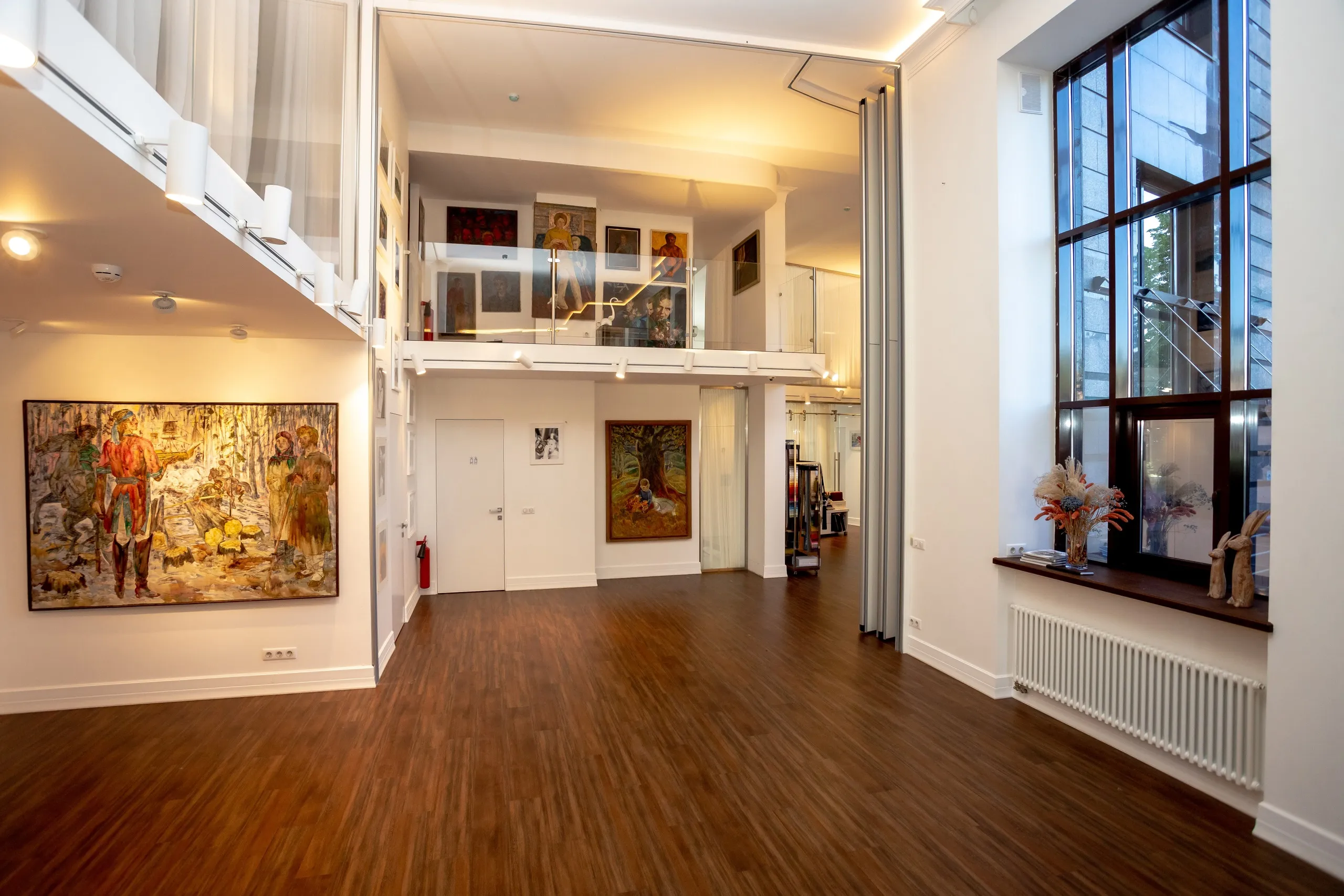
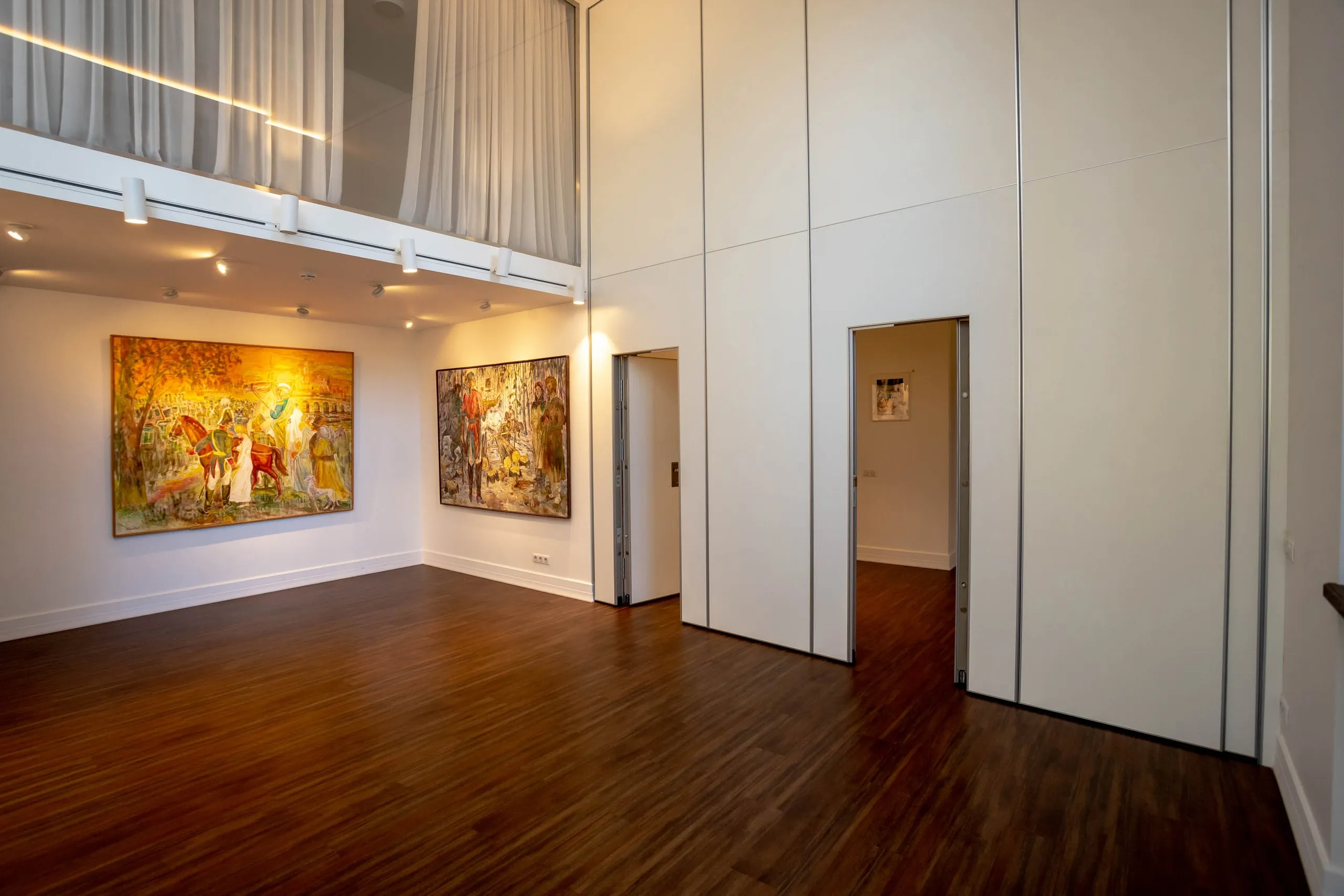
Museums and galleries have requirements that are more demanding than those of most commercial spaces. When specifying a system, consider the following:
The most persuasive argument for movable walls in cultural institutions is real, completed work. ScandicWall has delivered partition systems in three very different cultural environments — each demonstrating a different dimension of what movable walls make possible.
In the Art Space Gallery project, the client needed a gallery space that could adapt to a rotating exhibition program. The installation delivered flexible zoning that allows the gallery to shift between open, immersive exhibitions and intimate, focused viewing rooms — all within the same footprint.
The Museum of Cryptography project presented a more complex challenge: the museum required partitions that respected the architectural character of the space while meeting modern requirements for exhibition flexibility and visitor flow. The result was a movable wall system that integrates seamlessly into the museum’s interior — allowing the curatorial team to reconfigure exhibition routes without disturbing the building’s heritage fabric.
The Creative Space Izidoro Gallery project demonstrated the value of movable walls in a contemporary art context. The gallery needed the ability to move between solo shows, group exhibitions, and events — with the acoustic and physical separation required to protect works during installation and events.
Each of these projects is different in scale and program, but they share a common principle: the museum is no longer a fixed structure — it is a system of spaces that adapts to what is being shown, who is visiting, and how the institution funds itself.
For directors and owners, the financial rationale is often as important as the curatorial one. Movable walls contribute directly to institutional sustainability:
Movable walls are not simply a piece of exhibition furniture. They are a strategic asset for cultural institutions navigating a period of rapid change — in visitor expectations, funding models, and curatorial practice.
When specified correctly and installed by experienced professionals, a movable wall system becomes part of the institution’s long-term infrastructure — supporting the museum’s mission for decades, while allowing it to respond to whatever the next exhibition, the next donor, or the next generation of visitors requires.
Museums and galleries that invest in flexible spaces are investing in their own future. Movable walls allow cultural institutions to rotate exhibitions without construction, protect sensitive works without isolating them, host events without compromising the collection, and adapt the visitor experience to each new curatorial vision.
Whether you are planning a new gallery, renovating a heritage museum, or looking to unlock new revenue from an existing space, Sliding Walls from ScandicWall are engineered for the demanding requirements of cultural institutions — combining acoustic performance, security integration, and architectural quality in a single system.
The museum of the future is not built in stone. It moves.
Get weekly update about our product on your email, no spam guaranteed we promise ✌️
Our company offers the opportunity to get acquainted with the drawings of our products️️
Select download format